In precision manufacturing processes such as electronic component production and SMT assembly, humidity is often the most overlooked yet most destructive environmental variable. The root cause of many quality issues is not equipment failure or defective incoming materials, but rather the “invisible killer” effect triggered by uncontrolled humidity in the workshop. When humidity is too low, the risk of electrostatic discharge (ESD) rises sharply, potentially leading to internal breakdowns, performance degradation, or even complete failure of components. When humidity is too high, it can cause oxidation of component leads and moisture absorption and deterioration of solder paste, ultimately resulting in poor soldering or long-term reliability issues. To systematically address this challenge, humidity control units are increasingly recognized as the preferred technical solution by electronics manufacturers.
Two Destructive Pathways of Humidity Control Failure
In electronics manufacturing workshops, humidity deviations from the ideal range pose threats to product quality in two ways.
When relative humidity is too low (typically below 40% RH), dry air makes it easier for static electricity to accumulate and discharge. Static potential on the human body, equipment, and packaging materials can rapidly rise to several thousand volts. During operations such as SMT placement, manual insertion, and testing, even a single electrostatic discharge of just a few dozen volts is sufficient to cause breakdown in sensitive MOS devices, IC chips, or LED chips. Unlike visible mechanical damage, electrostatic breakdown is often latent and partial—components may pass factory testing but fail early in the customer’s environment. This hidden defect rate deals a far more devastating blow to brand reputation.
When relative humidity is too high (typically above 60% RH), moisture becomes another source of threat. Exposed component leads, PCB pads, and connector terminals are prone to oxidation or corrosion in high-humidity environments, leading to reduced solderability. During the reflow soldering process, moisture-laden PCBs or solder paste that has absorbed moisture can cause vapor bursting, solder ball splatter, or an increase in voids under high temperatures, resulting in issues such as cold solder joints and solder bridges. More insidiously, ionic contamination migration intensifies in high-humidity environments, potentially causing leakage or even short circuits between adjacent pins—a particularly dangerous risk for high-density, high-voltage power supply or automotive-grade electronic products.
40%–60% RH: The “Golden Humidity Range” for Electronics Manufacturing
Extensive production experience demonstrates that maintaining workshop humidity within the 40%–60% RH range optimally balances the requirements for electrostatic suppression and oxidation prevention. Within this range, the air possesses a certain degree of conductivity, allowing static electricity to dissipate slowly without accumulating; simultaneously, the moisture content is insufficient to cause significant metal oxidation or moisture absorption issues. This humidity window is widely regarded by the industry as the optimal control target for the manufacturing and assembly of electronic components.
However, achieving precise humidity control throughout the entire workshop around the clock cannot be accomplished simply by purchasing humidifiers or dehumidifiers. The key lies in “control,” rather than merely “adding” or “removing” moisture.
The Core Value of Humidifiers: From Unidirectional Control to Bidirectional Balance
Traditional industrial humidification equipment (such as electrode humidifiers and high-pressure spray humidifiers) typically only increases humidity in one direction, and they suffer from significant fluctuations in humidity output and slow response times. While they are effective when the weather clears up or when air conditioning over-dehumidifies during summer, causing humidity levels to drop too low, these devices are powerless when faced with the rainy season or increased moisture loads in the workshop that lead to excessively high humidity—resulting in uncontrolled humidity levels. Similarly, traditional dehumidification equipment (such as refrigerant dehumidifiers and desiccant dehumidifiers) mostly only reduces humidity in one direction. During dry winters or when air conditioning supply air is excessively dry, they can “over-dehumidify,” resulting in low humidity levels and a sharp rise in static electricity risks.
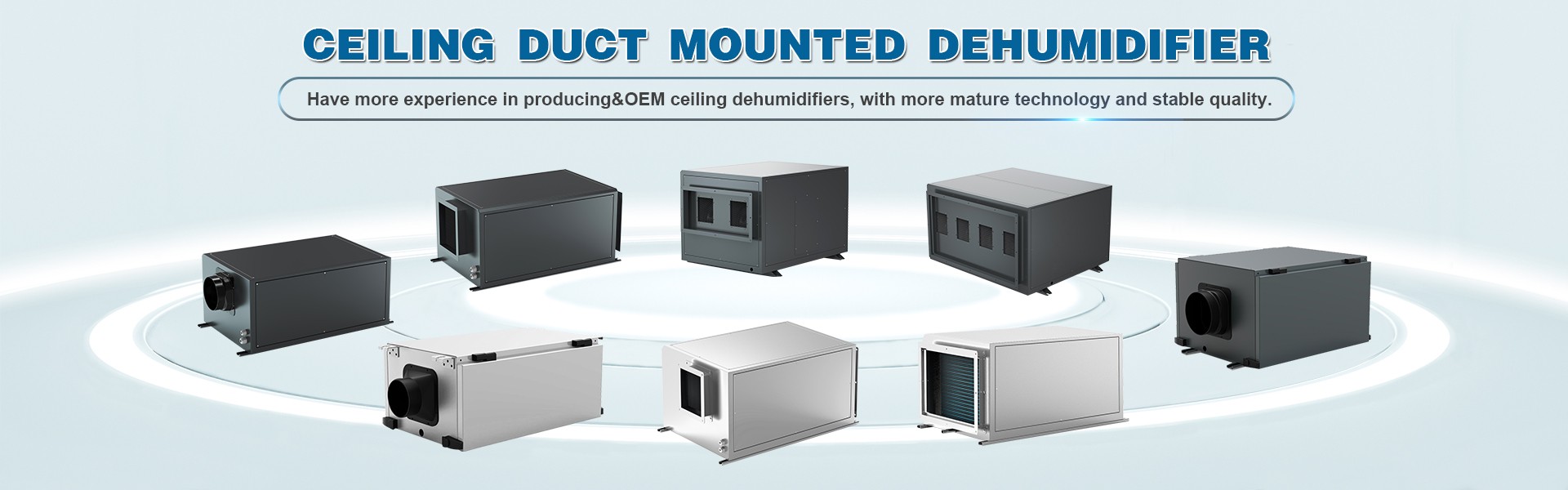
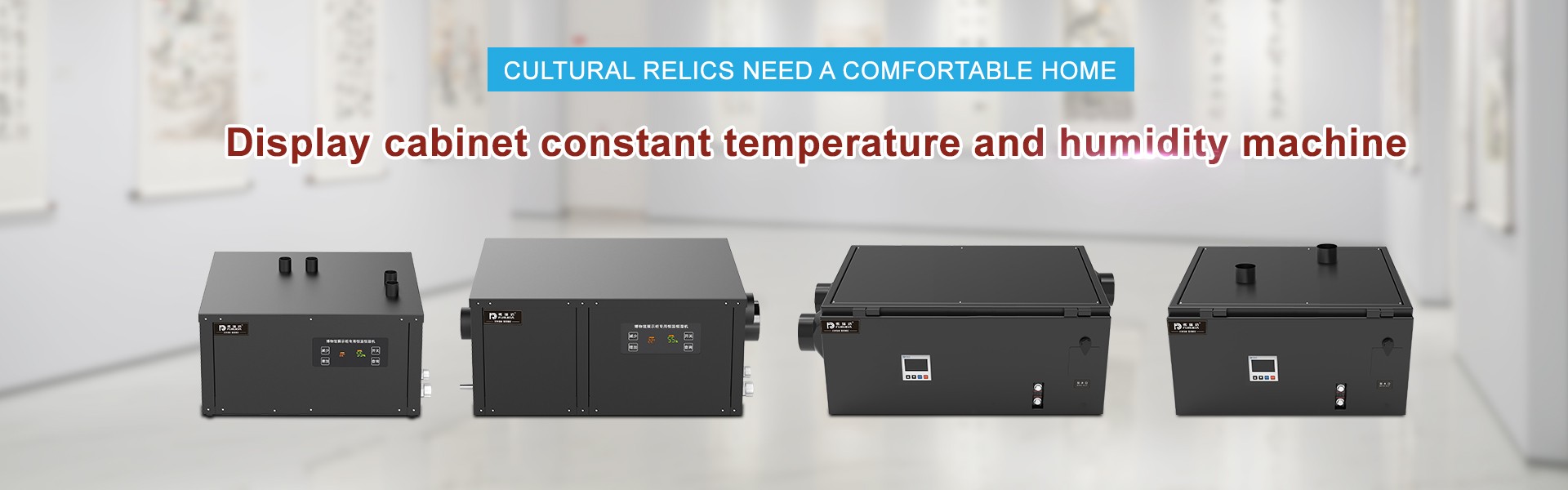
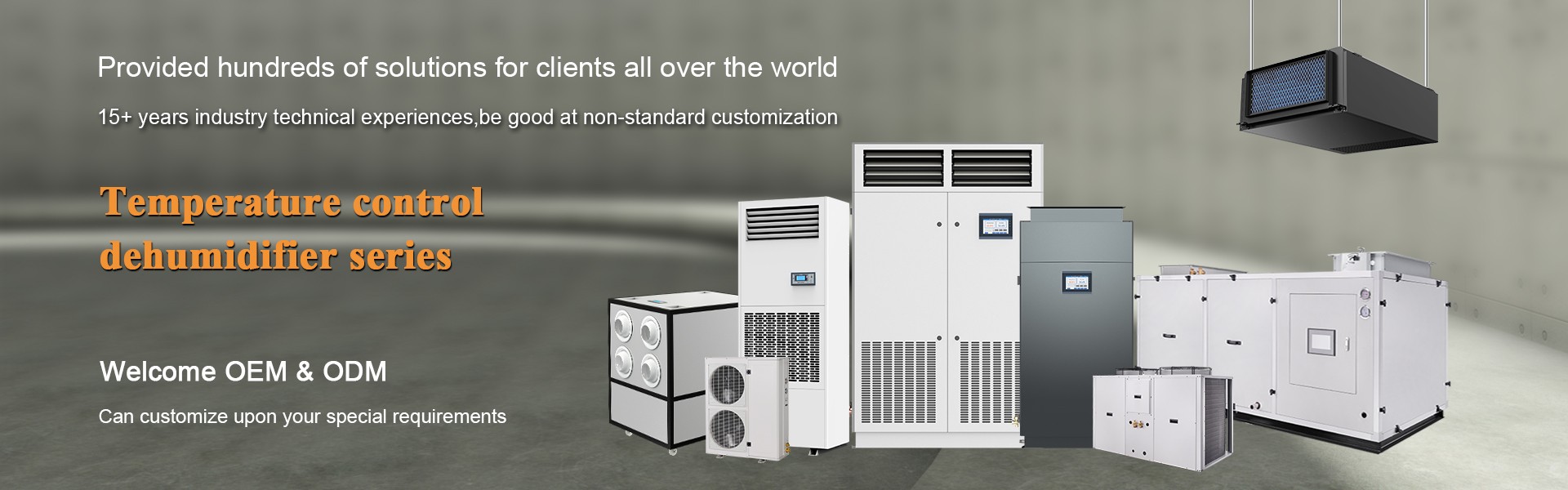
Constant humidity control units fundamentally change this situation. They integrate dual-mode humidification and dehumidification functions and are equipped with high-precision temperature and humidity sensors and intelligent control logic. When the system detects that the workshop humidity has fallen below a set threshold (e.g., 45% RH), the constant humidity machine automatically activates the humidification module to introduce water vapor into the air in a clean, isothermal or isenthalpic manner; when humidity exceeds the set threshold (e.g., 55% RH), it automatically switches to dehumidification mode, removing excess moisture via compressor-based refrigeration or desiccant wheel adsorption. The entire process requires no manual intervention, and humidity is tightly maintained within a narrow range of 40%–60% RH.
More importantly, constant humidity units typically employ ducted air distribution or distributed unit layouts, enabling a relatively uniform humidity field across large spaces and avoiding issues of localized over-humidification or over-drying. When integrated with the workshop’s existing cleanroom HVAC system, these units effectively counteract humidity fluctuations caused by disturbances such as seasonal changes, personnel movement, and equipment heat dissipation, achieving true closed-loop precision control.
From Equipment Investment to Quality Premium
For electronics manufacturers, the decision to introduce a constant humidity system requires a comprehensive cost-benefit analysis. While the initial investment in a constant humidity system is higher than that of a standalone humidifier or dehumidifier, the resulting reduction in defect rates often recoups the cost within a few months. Taking an SMT production line as an example, a 0.1% reduction in soldering defect rates can translate to annual savings of hundreds of thousands—or even millions—of yuan in rework costs and scrap losses. In the longer term, a stable workshop humidity environment helps establish reproducible process windows, making new product introductions, parameter optimization, and quality traceability more reliable. For manufacturers handling automotive, medical, or military orders, constant humidity control units have virtually become one of the “entry tickets” to high-end supply chains.
Conclusion
Humidity—this invisible, intangible physical quantity—quietly influences the fate of products in every corner of electronic manufacturing. From the hidden risks of electrostatic discharge to the constraints of solder oxidation, humidity control units, with their precise bidirectional regulation capabilities, help workshop managers transition from reactive firefighting to proactive prevention. In today’s world of increasingly miniaturized and highly integrated components, the fine balance of environmental control often determines the level of quality. Prioritizing humidity and selecting the right constant humidity machine may well be the crucial step for electronics manufacturers on their journey toward a zero-defect goal.
 vivienhu0427@hotmail.com
 +86 15958041362
 vivien@hzfreeair.com