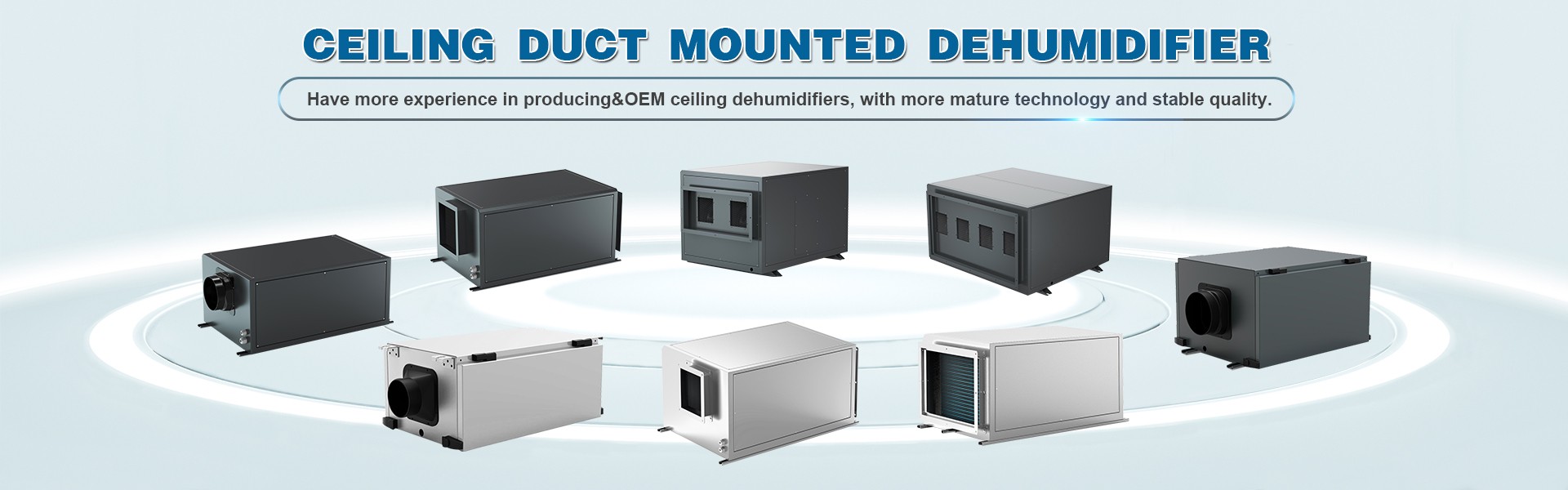
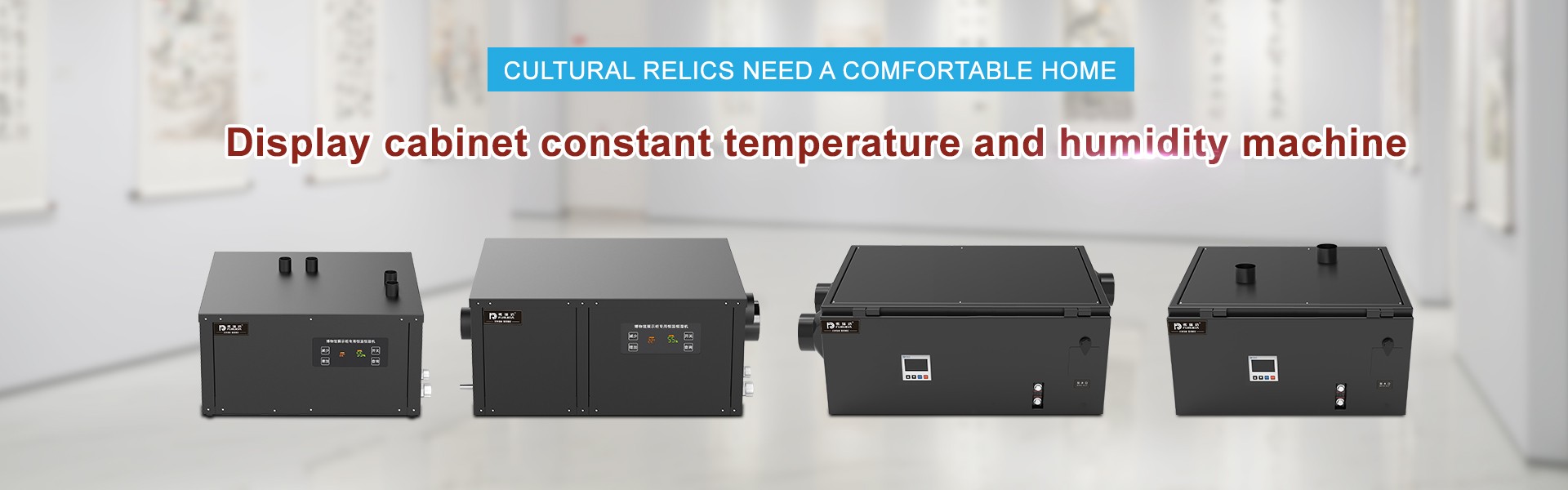
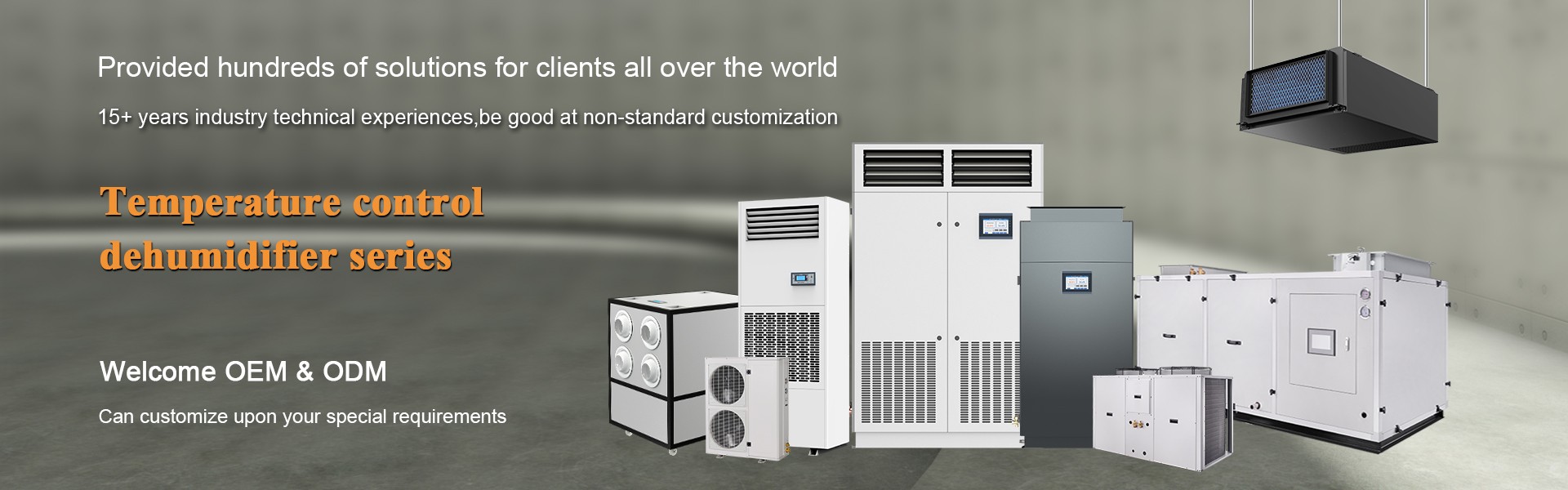
In modern homes and industrial settings, the role of dehumidifiers has expanded beyond simple humidity regulation.
With the development of Internet of Things (IoT) and artificial intelligence (AI) technologies, custom dehumidifiers are gradually
evolving into intelligent terminals capable of autonomous perception, learning, and decision-making. Through precise sensor
networks, adaptive algorithms, and remote monitoring platforms, these devices have achieved a transition from passive
dehumidification to active environmental management.
Sensor Network: The "Nerve Endings" of the Environment
The core foundation of the intelligent dehumidifier is a multi-dimensional sensor network. These sensors are like the "nerve
endings" of the device, collecting various data such as humidity, temperature, air quality, and human activity status in real time.
For instance, high-precision humidity sensors can capture minute humidity fluctuations, while infrared or motion sensors can
determine whether there is human activity in the space, thereby optimizing the operation logic.Customized sensor layout can
be flexibly designed based on spatial structure and usage scenarios to ensure the comprehensiveness and representativeness
of data collection. These data are uploaded in real time to the cloud or local processor through the Internet of Things module,
providing a reliable basis for subsequent intelligent decision-making.
Adaptive Algorithm: The "Intelligent Brain" of the Dehumidifier
Based on the massive data collected by sensors, artificial intelligence algorithms - particularly machine learning and deep
learning models - play the role of the "intelligent brain". By analyzing historical data and real-time information, the system can:
Intelligent humidity prediction: By integrating time, season, weather forecasts, and indoor activity patterns, it can predict
the trend of humidity changes in advance. For instance, the system might activate or adjust the dehumidification intensity
before a heavy rain arrives or before known high-humidity indoor activities (such as cooking, bathing) begin.
Adaptive operation strategy: The algorithm can learn user preferences and space characteristics, automatically set and
dynamically adjust the target humidity range, wind speed, and operation hours. For example, it can automatically enter a
low-power mode during unoccupied periods and actively enhance dehumidification when a high humidity level is detected.
Fault prediction and maintenance reminder: By analyzing equipment operation data (such as compressor load, filter condition),
AI can identify potential failure risks in advance and actively send maintenance reminders, thereby enhancing equipment
reliability and service life.
Remote Monitoring Platform: The Ubiquitous "Control Center"
The Internet of Things technology enables users to remotely and real-time monitor the status of dehumidifiers and environmental
data through dedicated platforms on smartphones, tablets, or computers. This platform typically has the following functions:
Remote control and scene setting: Users can manually turn on or off the device, adjust the mode, or set custom scenes
(such as "Away Mode", "Sleep Mode") from anywhere.
Data visualization and reports: The platform presents historical humidity changes, energy consumption statistics, etc. in chart
form, helping users understand environmental patterns and equipment efficiency.
Intelligent alerts and interconnection: When humidity is abnormal, the device malfunctions, or the filter needs to be replaced,
the system will send an immediate alert. Additionally, through open APIs or compatibility with smart home protocols (such as
Matter, HomeKit), the dehumidifier can be linked with other devices (such as air conditioners, ventilation systems) to achieve
coordinated management of the entire home environment.
Energy Management: Efficient and Sustainable Operation
Smart dehumidification not only focuses on comfort but also emphasizes energy efficiency. AI continuously optimizes the operation
strategies, which can significantly reduce energy consumption while meeting the dehumidification requirements. For instance, the
system may enhance dehumidification energy storage during off-peak electricity prices, or introduce fresh air ventilation when the
outdoor humidity is suitable to alleviate the dehumidification burden. In the long run, this refined energy management not only
reduces electricity expenses but also aligns with the concept of green and sustainable development.
By integrating the perception capabilities of the Internet of Things with the decision-making capabilities of artificial intelligence, the
customized dehumidifiers have transformed into highly autonomous and energy-efficient environmental management partners.
This intelligent upgrade not only brings a more precise and comfortable humidity control experience, but also provides scalable
integration nodes for future smart home and building management systems. As technology continues to evolve, dehumidification
equipment will continue to go beyond its traditional role and become an indispensable intelligent component in smart life.
 vivienhu0427@hotmail.com
 +86 15958041362
 vivien@hzfreeair.com