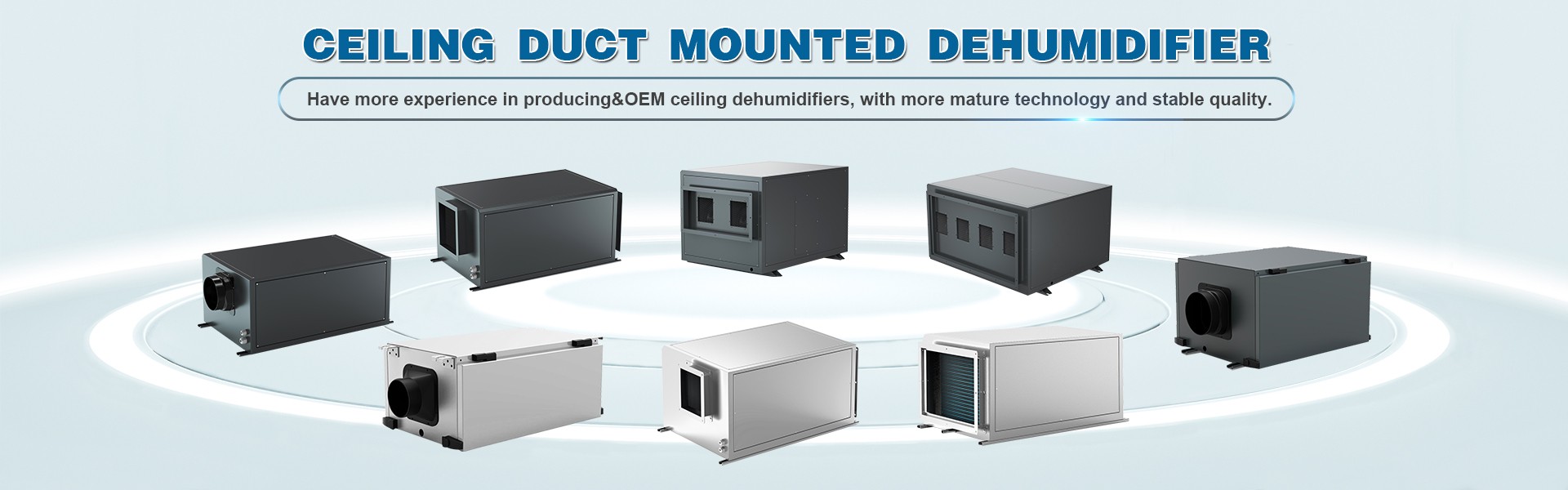
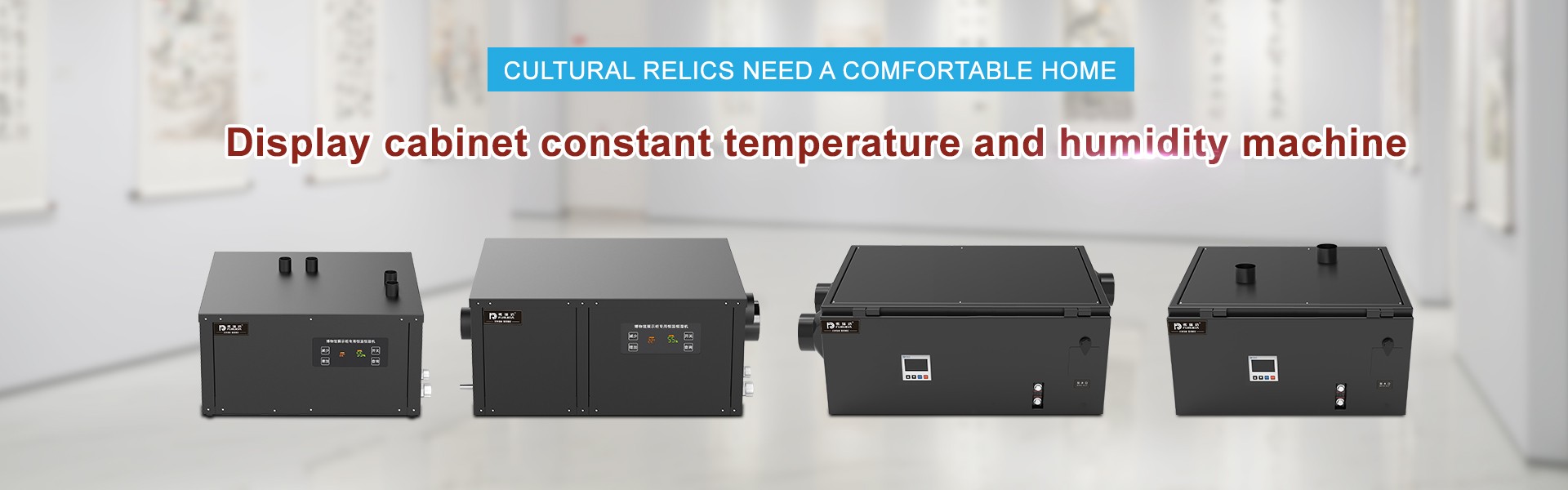
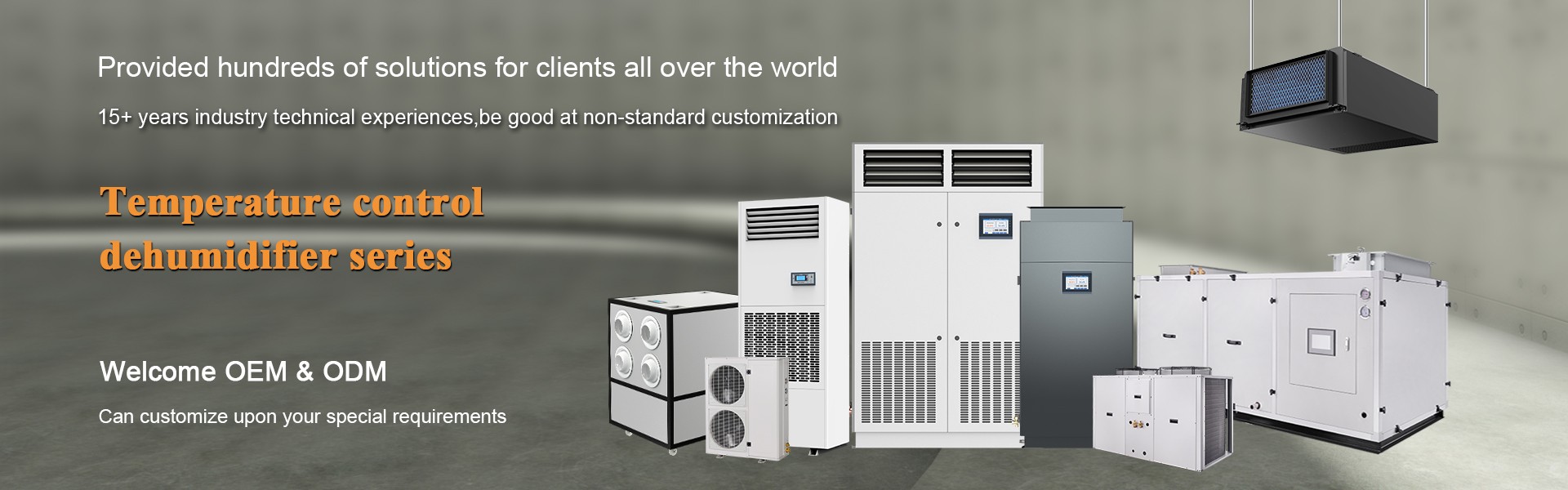
In high-end residences, cigar cellars, wine cellars, and commercial spaces with the highest standards for environmental quality, ceiling-mounted environmental systems have long played a discreet yet critical role. In the past, their core mission was simple and straightforward: regulating temperature and humidity. However, as demands for health, collection preservation, and smart space solutions have surged, the single-function nature of traditional ceiling units is proving inadequate. Future ceiling-mounted environmental systems will no longer be mere “temperature and humidity regulators”; instead, they will evolve into comprehensive “environmental controllers” that integrate air purification, smart sensing, and proactive prevention. This trend is redefining the invisible infrastructure of high-end spaces.
From “Constant Temperature and Humidity” to “Comprehensive Air Management”
Temperature and humidity control remain the cornerstone of environmental management. For the aging of cigars, the maturation of wine, and the preservation of artworks, stable temperature and humidity are the minimum requirements to prevent mold, cracking, or excessive fermentation. Yet beyond these basics, more sophisticated air quality demands are emerging.
Future integrated ceiling systems will be the first to incorporate active sterilization and antibacterial modules. For example, by utilizing high-voltage ionization or negative ion generators to continuously release active ions, these systems can effectively suppress the activity of mold spores, bacteria, and certain viruses within the space. For cigar cabinets or older wine cellars—environments highly prone to mold growth—this is equivalent to establishing an invisible biological protective barrier. This contactless, consumable-free antibacterial method can maintain the microbial cleanliness of the space over the long term, avoiding the potential impact of chemical fumigation on the flavor of stored items.
At the same time, filtration layers made of activated carbon or other porous adsorbent materials will be integrated into the return air side of the system. In wine cellars, trace amounts of TCA (trichloroanisole) molecules emitted by corks can produce an unpleasant “corky” odor. High-quality activated carbon filters effectively adsorb these odor molecules while also removing residual tar odors from the dense smoke in cigar rooms and VOCs (volatile organic compounds) released by building materials. This transforms ceiling-mounted units from simple temperature and humidity controllers into odor management systems.
A Smart Closed-Loop System Integrating Sensor Networks and Fresh Air Circulation
True intelligence lies not in remote on/off control, but in autonomous sensing and decision-making. Future ceiling-mounted environmental control systems will integrate multi-modal sensor arrays. In addition to traditional temperature and humidity sensors, CO₂ sensors will become standard equipment—rising CO₂ levels caused by human activity not only induce drowsiness but also impair the olfactory sensitivity of cigar enthusiasts or wine connoisseurs. When sensors detect excessive CO₂ levels, the system automatically triggers a coordinated response: it increases the fresh air valve opening to introduce pre-treated outdoor air while simultaneously activating exhaust ventilation. This facilitates air exchange between the interior and exterior, preventing oxygen depletion and odor buildup caused by closed-loop recirculation.
Furthermore, VOC sensors, PM2.5 laser sensors, and even specific gas sensors can be configured as needed. Upon detecting the release of pollutants such as paint or cleaning agents, the system immediately switches to “Purification Mode,” increasing the filtration airflow velocity and closing the return air valve to prevent pollutants from spreading throughout the room. All these actions require no manual intervention; decisions are made entirely by built-in edge computing rules, truly operating “silently and seamlessly.”
The Internet of Things: From Reactive Maintenance to Proactive Prevention
If multi-dimensional sensing and processing are the “hands and eyes” of a device, then the IoT module is its “nervous system.” In the future, every high-end ceiling-mounted environmental control device will come standard with—or offer as an option—IoT communication capabilities. It will no longer be an isolated electromechanical product, but rather a digital twin node on a cloud-based management platform.
Through the IoT, the equipment can implement a three-tiered alarm system: on-site audible and visual alerts, push notifications to mobile devices, and automatic work orders generated in the service provider’s backend. For example, when a drain pan becomes clogged, posing a risk of water accumulation, or when a filter is nearing the end of its service life, the equipment will issue a maintenance warning 72 hours in advance. More importantly, by continuously logging operational parameters such as compressor start/stop frequency, fan current, and valve opening, cloud-based algorithms can establish a health model for the equipment. Once certain parameters deviate from normal ranges (such as sustained high-pressure operation caused by refrigerant leaks), the system automatically diagnoses the fault type and recommends preventive maintenance plans, rather than waiting until the equipment completely shuts down and exhibits damage before reacting passively.
Moreover, the data feedback loop enabled by the Internet of Things (IoT) allows the equipment to continuously evolve. Manufacturers can optimize control algorithms based on extensive real-world temperature and humidity fluctuation curves, and push new control logic to installed units via OTA (over-the-air updates)—as conveniently as updating a smartphone’s operating system.
Integrated Design: The Power of Concealment, the Experience of Minimalism
The ultimate goal of this multidimensional integration trend remains the extreme simplification of the user experience. All complex technologies—sterilization, filtration, sensing, fresh air systems, and IoT—must converge into a single, standard ceiling-mounted unit. In terms of installation, it is completely concealed within the ceiling, leaving only an elegant air intake grille and a user interface (or no interface at all, relying instead on smartphone and voice control). For designers and building owners, there is no need to concern themselves with the number of filter layers or sensor probes inside the unit; they simply set temperature, humidity thresholds, and air quality targets, leaving the rest to the system to coordinate automatically.
This highly integrated ceiling-mounted environmental controller essentially merges the functions of seven or eight previously separate devices—such as split-type air conditioners, humidifiers, dehumidifiers, air purifiers, fresh air systems, germicidal lamps, and environmental monitors—into a single unit. It saves valuable floor and wall space, avoids protocol conflicts and control chaos between multiple systems, and reduces overall energy consumption—because the integrated system can intelligently manage the activation and deactivation of sub-modules such as cooling, heating, humidification, and purification based on real-time load, preventing inefficient energy waste caused by situations like “a dehumidifier running while the air conditioner is overcooling.”
Conclusion: A Paradigm Shift from Devices to a Central Hub
Looking back over the past decade, environmental management in high-end spaces has evolved from “nothing” to “something,” and from “something” to “perfection.” The next decade will be a period of transformation dominated by “integration” and “intelligence.” Future ceiling-mounted environmental equipment will carry a mission far beyond temperature and humidity control: it must proactively eliminate mold, absorb odors, monitor air quality, coordinate with fresh air systems, predict its own malfunctions, and accomplish all of this quietly and seamlessly.
When this black metal box hidden within the ceiling can simultaneously care for your aged cigars, prized wine collection, delicate artwork, and every breath your family takes, it ceases to be merely a device and becomes the intelligent hub of the space. This trend toward multidimensional integration is not merely a stacking of technologies; it is a re-examination of the very definition of “what constitutes a comfortable, healthy, and reliable spatial environment.” For users who pursue the ultimate in quality, choosing such a ceiling-mounted environmental controller means embracing a sense of composure rooted in the principle that “foresight ensures success”—all environmental issues are resolved before they even arise.
 vivienhu0427@hotmail.com
 +86 15958041362
 vivien@hzfreeair.com