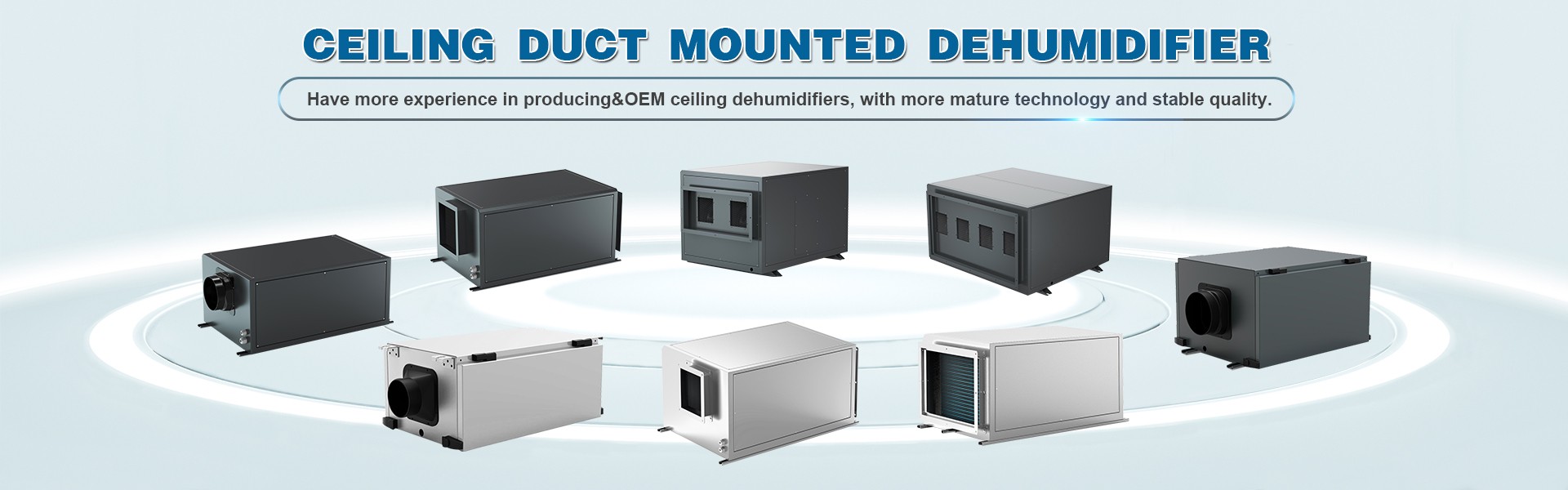
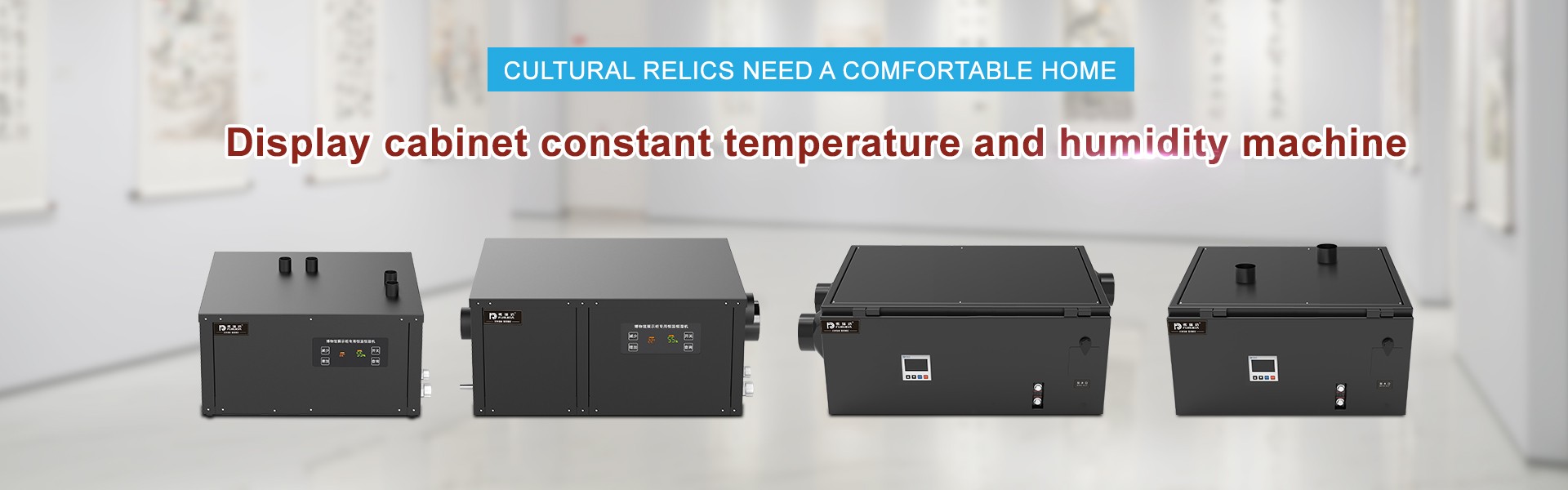

Have you ever had this experience? You excitedly open the basement door to retrieve a bottle of prized wine, only to be met by a musty, stifling odor; or you look at the freshly painted walls, covered in fine droplets of moisture during the humid spring season, as if you could wring water out of them at any moment; or you discover, to your dismay, that your beloved solid wood bookshelf has quietly warped without you even noticing. “Dampness”—this seemingly gentle term is actually one of the most destructive “silent killers” in home life.
When faced with dampness, many people’s first instinct is to buy a portable dehumidifier, plug it in, and watch the water in the tank gradually fill up, as if this alone could bring dryness to the entire room. But for those who pursue a high-quality living experience and yearn for a permanent solution to dampness, a more advanced and thorough solution is quietly gaining traction—the ceiling-mounted dehumidifier.
It acts like a “dryness guardian” hidden within the ceiling—silent yet ever-present, protecting every corner of your home. So, is this somewhat unfamiliar device really worth installing?
I. Invisible Yet Omnipresent Protection
The core appeal of ceiling-mounted dehumidifiers lies in the word “concealed.”
Unlike traditional portable dehumidifiers that occupy a corner of the living room or a nook in the study—or even require you to make way for them as you move about—ceiling-mounted dehumidifiers are seamlessly integrated into your home’s ceiling through a precision-engineered central ventilation system. You’ll barely notice its presence: no visible unit, no audible noise—just waves of dry, fresh air delivered through ducts to every room.
This concealed installation offers more than just visual tidiness. It enables precise humidity control throughout the entire home. A properly sized ceiling-mounted dehumidifier, connected to supply and return vents in every room, creates a complete air circulation system. It is no longer a solitary “dehumidifier,” but rather an “air steward” capable of evenly regulating humidity throughout the entire home. Whether it’s a bedroom adjacent to the bathroom or a ground-floor living room prone to dampness, every space enjoys the same comfortable humidity environment.
II. What Are Its Advantages Over Portable Dehumidifiers?
You might ask: Why spend a fortune installing something invisible when you could simply buy a portable unit? The answer is: a comprehensive upgrade in the user experience.
1. Space Efficiency and Aesthetic Enhancement
This is the most obvious benefit. In large open-plan apartments or villas spanning hundreds of square meters, placing a portable dehumidifier in every room not only occupies valuable floor space, but the tangled power cords and mismatched machine designs can also disrupt a carefully curated interior style. A ceiling-mounted dehumidifier completely conceals its functionality, freeing up floor space for living and restoring a clean, aesthetic visual environment.
2. Physical Isolation from Noise
When portable dehumidifiers are in operation, the sounds of the compressor and fan are right by your ear. Especially during quiet nights, the low-frequency humming often disrupts sleep. In contrast, the main unit of a ceiling-mounted dehumidifier is installed within the ceiling, creating a physical distance from living areas. Further isolated by the ceiling materials, only a faint, gentle breeze—similar to that from a central air conditioning vent—reaches the room, achieving truly “silent dehumidification.”
3. True Automation and Intelligence
Portable dehumidifiers require you to manually empty the water tank or connect a long drain hose to a floor drain. In contrast, ceiling-mounted dehumidifiers can be directly connected to the building’s drainage system, allowing moisture generated during dehumidification to flow away automatically through the pipes, truly achieving “unattended operation.” Paired with a smart control system, it can be set to a target humidity level. It automatically turns on when indoor humidity is too high and shuts off once the target is reached, providing silent protection 365 days a year. You’ll never again have to worry about the machine shutting down due to forgotten water emptying or the return of dampness.
III. Who Is It For? When Is the Best Time to Plan for It?
Every product has its intended scope, and ceiling-mounted dehumidifiers are not suitable for every household. They are more of a tailor-made solution for homeowners who seek the ultimate living experience and have the opportunity to plan the entire system during the early stages of renovation.
They are particularly suitable for the following situations:
Residents of large open-plan apartments and villas: The larger the area, the more difficult it is for a single portable dehumidifier to cover the entire home, and the management costs and noise pollution from multiple units increase exponentially. A ceiling-mounted integrated solution is the right choice.
Homes with basements: The basement is the most humid area in the house and is almost always a “standard” hotspot for moisture. A ceiling-mounted dehumidifier can provide a dedicated dehumidification circuit for the basement, keeping the underground space dry so that home theaters, wine cellars, and gyms can truly function as intended.
For families with high standards of living: If you have the highest expectations for your home and cannot tolerate the musty odors, bacterial growth, and potential damage to furniture and collectibles caused by humidity, then this “hidden” investment will undoubtedly bring long-term peace of mind and comfort.
The most important prerequisite is: planning during the early stages of renovation.
Installing a ceiling-mounted dehumidifier requires the same level of planning as central air conditioning or a fresh air system: you must reserve space for the main unit, map out the ductwork, and determine the locations of supply and return vents in each room during the design phase. All piping must be laid before the ceiling panels are installed. If you wait until after the renovation is complete to install it, you’ll likely face major structural alterations.
Summary
Returning to the original question: Is a ceiling-mounted dehumidifier worth installing?
It is not a tool to solve immediate minor inconveniences, but a long-term investment in the health and comfort of your home for the next ten or twenty years. While it comes at the cost of sacrificing some ceiling height, it delivers thorough dryness, silent operation, and a seamless aesthetic throughout the entire home.
If you’re planning a renovation, if your home is spacious enough, and if you’re deeply averse to dampness, why not set aside a spot on your designer’s blueprints for this invisible “guardian of dryness”? One day in the future, as you stroll through your home, breathing in air that’s neither too dry nor too humid—but as smooth and refreshing as jade—you’ll be grateful for this wise decision you made today.
 vivienhu0427@hotmail.com
 +86 15958041362
 vivien@hzfreeair.com