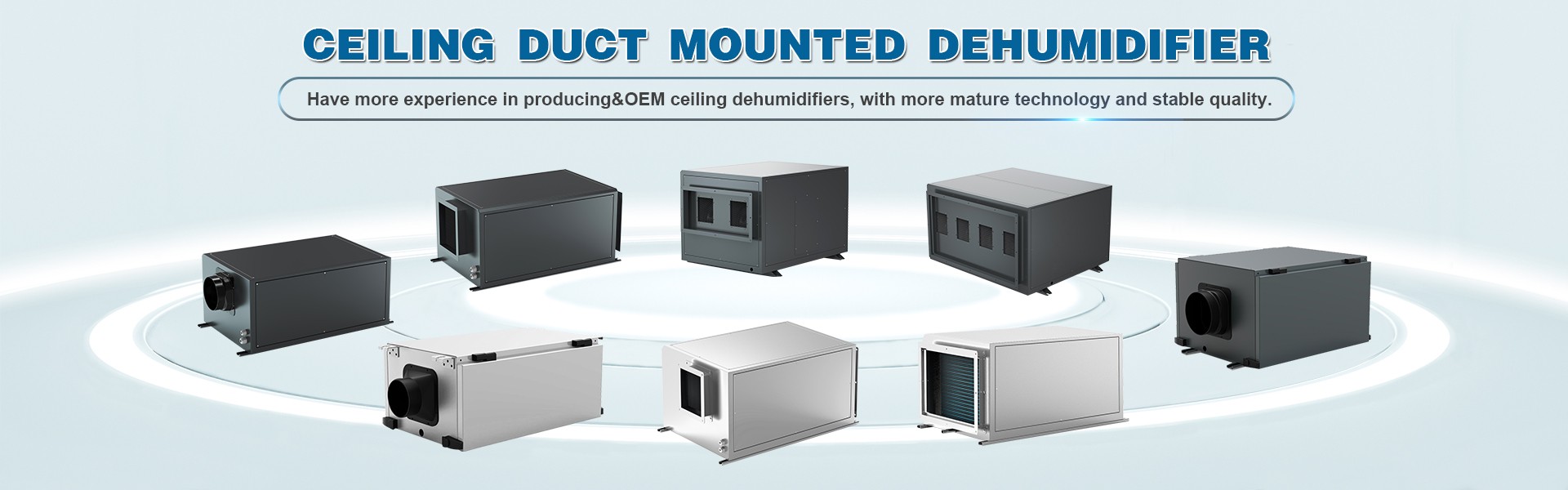
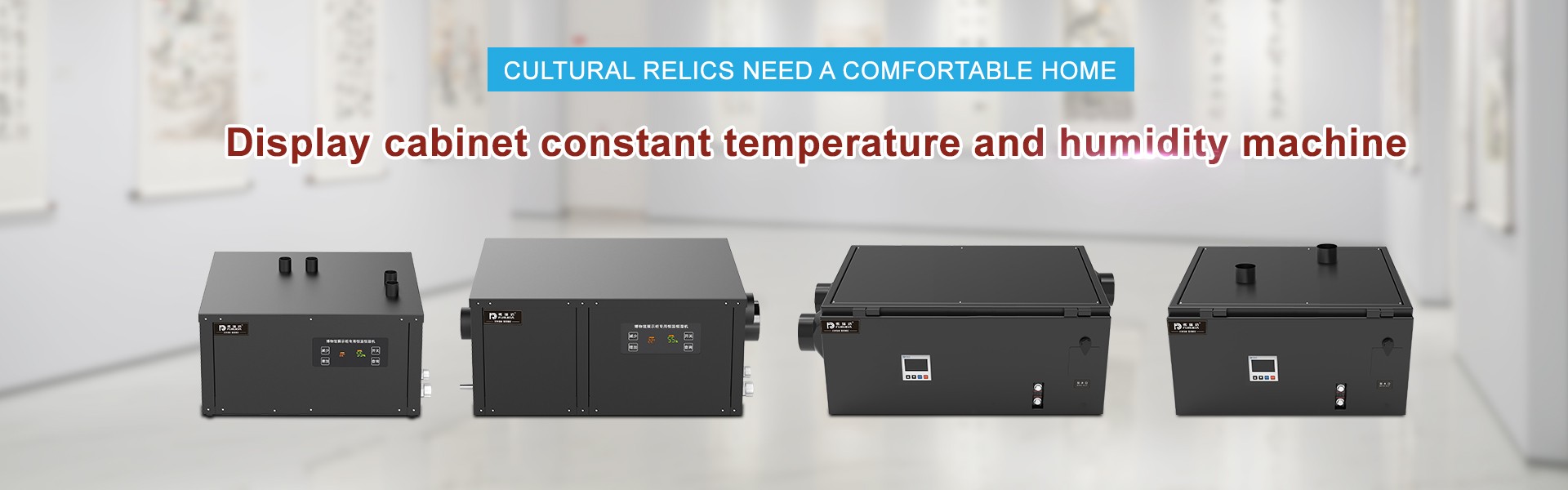

In the design of high-end leisure spaces, cigar lounges and wine cellars each have unique atmospheric requirements—the former requires a quiet space for contemplation, while the latter seeks a serene, private experience. However, a frequently overlooked yet crucial factor is quietly affecting the quality of these spaces: noise. When the low-frequency hum of compressors seeps through the ceiling into the room, the sense of complete comfort begins to fray. This article explores how systematic ceiling soundproofing solutions can control equipment operating noise to below library-grade standards, achieving the ideal state where “comfort is felt, but operation is unnoticed.”
The Physical Characteristics of Low-Frequency Noise and the Isolation Logic of Ceilings
The core challenge posed by noise generated during compressor operation lies in its low-frequency components. Unlike high-frequency sounds, which are easily absorbed or reflected, low-frequency sound waves have longer wavelengths and greater penetrating power, allowing them to bypass obstacles and transmit through solid structures. Traditional ceilings often struggle with this—sound travels directly into the interior through rigid connections such as suspension rods and joists.
The key to solving this problem lies in redefining the role of the suspended ceiling: it should not merely serve as a decorative ceiling covering, but rather be engineered as a comprehensive acoustic isolation system. Through a multi-layered composite structure design, the ceiling can form a mass-spring-mass damping system, effectively blocking the solid-borne transmission path of low-frequency sound waves. Changes in acoustic impedance at each material interface cause sound energy to reflect and attenuate; when layered, even the most persistent low-frequency vibrations are significantly reduced in energy.
Fully Enclosed Soundproofing Cotton: The Synergy of Sound Absorption and Sound Insulation
In traditional soundproofing solutions, filling with acoustic foam is a common practice, but implementation is often incomplete. To achieve ultimate silence below 35 dB, a fully enclosed, gap-free coverage strategy is essential. This means that all internal surfaces—including the sides and top—as well as areas where pipes pass through, must be completely wrapped in high-density acoustic foam to create an “acoustic cage” effect.
The key lies in material selection and layering logic. A single material struggles to address noise across different frequency bands; the ideal solution is a multi-layered composite structure: a high-density mass layer reflects and blocks mid-to-high frequencies, while a flexible, porous layer absorbs residual mid-to-low frequency energy. When these two materials are alternately layered, they form a broad-band sound barrier. Simultaneously, all seams must be sealed to prevent the formation of sound bridges—even the slightest gap can become a pathway for noise.
Flexible Vibration-Damping Suspension Rods: Cutting Off the Physical Path of Solid-Bore Sound Transmission
While acoustic insulation addresses airborne noise, the treatment of suspension rods directly targets structure-borne sound transmission—the primary route of low-frequency noise intrusion. Traditional rigid suspension rods mechanically connect ceiling panels to the floor slab above, allowing vibrations from the compressor to travel through the floor slab and suspension rods into the room, acting like an invisible loudspeaker.
The core principle of flexible vibration-damping suspension rods is to introduce elastic elements that break the rigid chain of vibration transmission. Common implementation methods include incorporating high-damping rubber pads or spring dampers in series within the suspension rods. When vibrations reach these points, the elastic elements deform, converting mechanical energy into internal energy dissipation rather than allowing it to continue downward. When precisely selected and arranged, these suspension rods can reduce structural sound transmission by more than 15 dB. It is important to note that the stiffness of the vibration-damping elements must be precisely matched to the load-bearing capacity—if they are too soft, the ceiling will sag; if they are too stiff, the vibration-damping effect will be significantly reduced.
System Integration: From Individual Technologies to a Comprehensive Soundproofing Solution
The three technologies mentioned above—fully enclosed soundproofing insulation, flexible vibration-damping suspension rods, and low-pressure fans—can each achieve certain results when applied individually. However, the true revolution in soundproofing lies in their synergistic integration. The suspension rods block the transmission path of structural noise, the soundproofing insulation absorbs and blocks the residual energy of airborne noise, while the low-pressure fans reduce the total sound energy requiring treatment at the source. Together, they form a complete chain of “source suppression—path blocking—end absorption.”
At the implementation level, attention must also be paid to details: supply and return air ducts should be fitted with silencer elbows or tubular silencers; flexible connectors should be used at the junctions between equipment and ducts to prevent vibration transmission; and ceiling access panels must be double-sealed. Every connection point can potentially serve as a pathway for noise leakage; only through systematic and meticulous construction can the theoretical sound insulation performance be translated into a tangible sensory experience.
When all measures are fully implemented, the noise level of ceiling-mounted units in operation can be consistently maintained below 35 dB—equivalent to the ambient noise level in a library late at night. Below this threshold, the start-stop cycles of compressors and the operation of fans are completely absorbed into the ambient background noise, and human attention is no longer drawn to any mechanical sounds. In the cigar room, only the faint crackling of burning cigars remains; in the wine cellar, there is nothing but the serene sensation of air flowing gently. The equipment is rendered invisible, allowing comfort to be presented in its purest form. This is the goal of the silent revolution: not to eliminate noise, but to remove it from the stage of perception.
 vivienhu0427@hotmail.com
 +86 15958041362
 vivien@hzfreeair.com